
Kaabong District · Karamoja · Uganda
One thousand square kilometres,
fifty years, one chance.
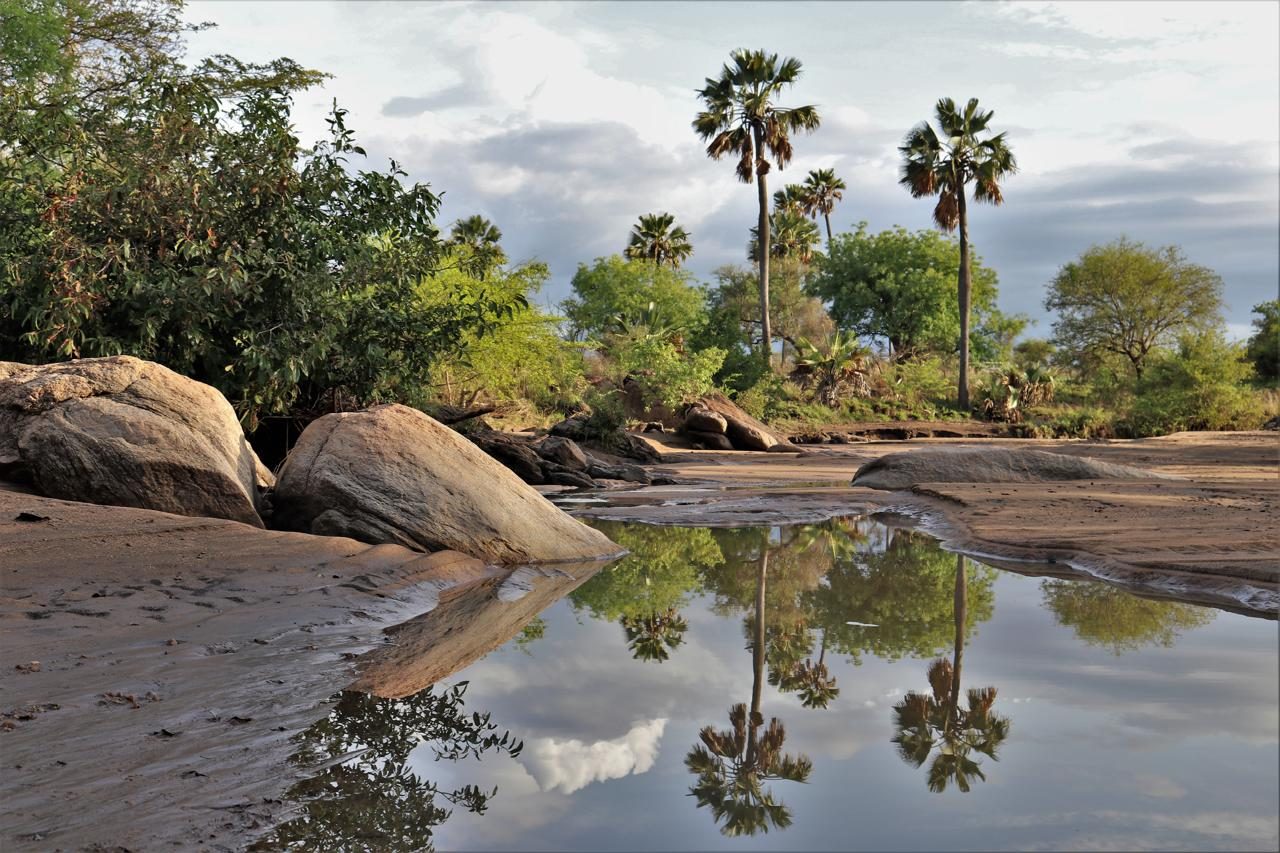
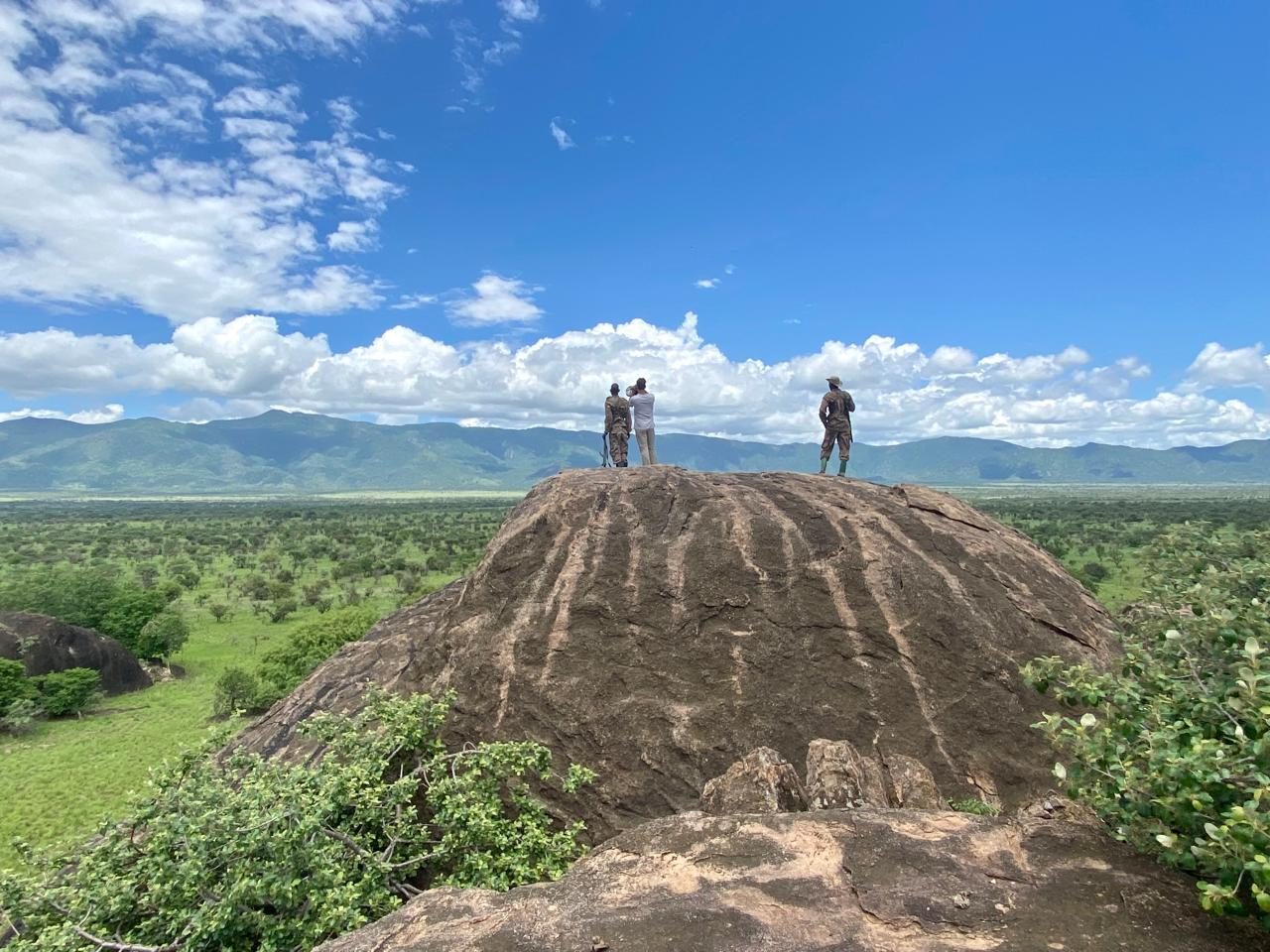
Zulia is the forgotten corner of the Kidepo ecosystem: granite hills, borassus rivers and open savanna on the border of South Sudan and Kenya, with no road into it and no one managing it for eighty years. We hold the licence to change that.
Over Zulia, April. Filmed from a light aircraft.
Where the Kidepo valley meets the mountains
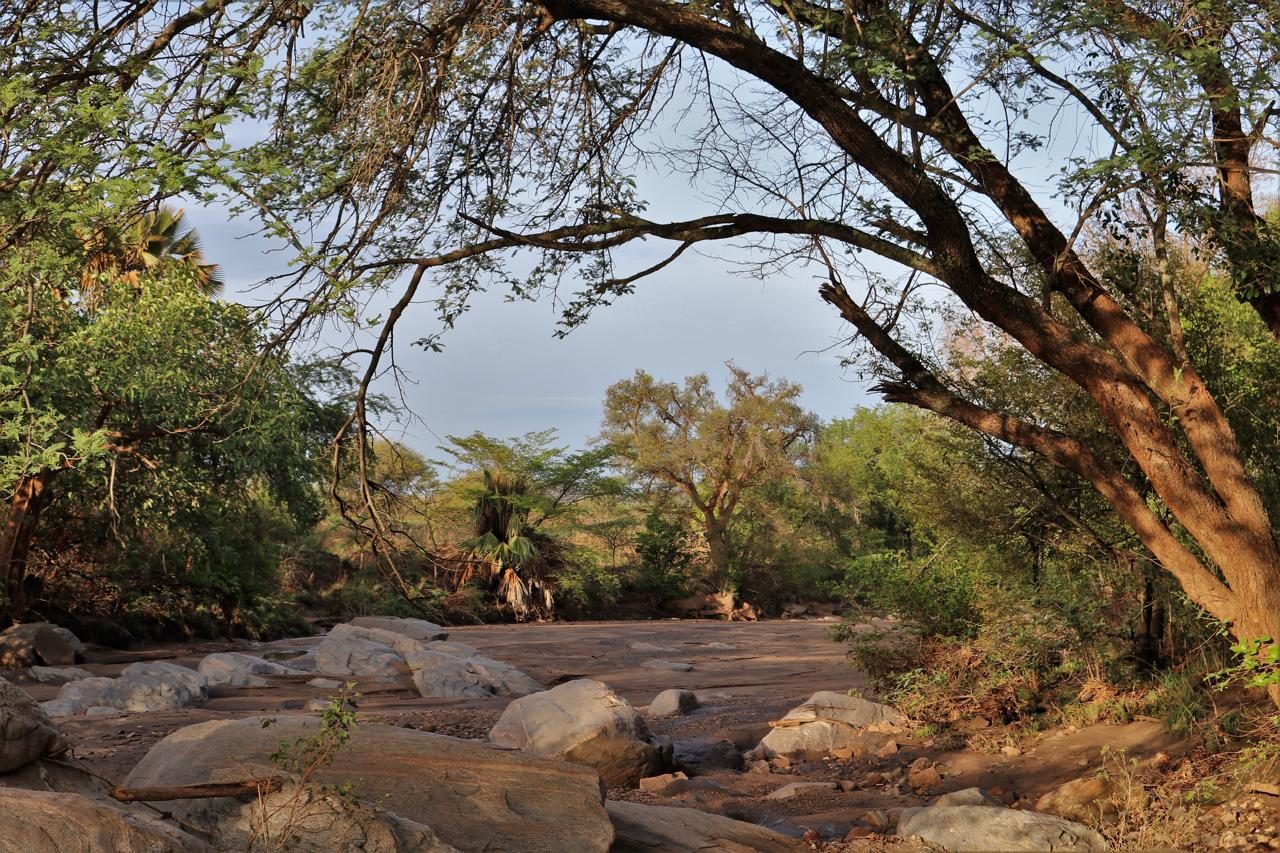
Gazetted in 1942, Zulia Central Forest Reserve covers 102,893 hectares of Combretum and Acacia woodland, rock outcrops and seasonal rivers rising from the Kidepo River at 1,040 metres to the summit of Mount Zulia at 2,149. It is the water tower for the Kidepo system and the northern range of the park's elephant, buffalo, giraffe and lion.
It was never demarcated, never developed and, for most of its history, too remote and too insecure to manage. That is exactly why it is still intact.
The animals are already here
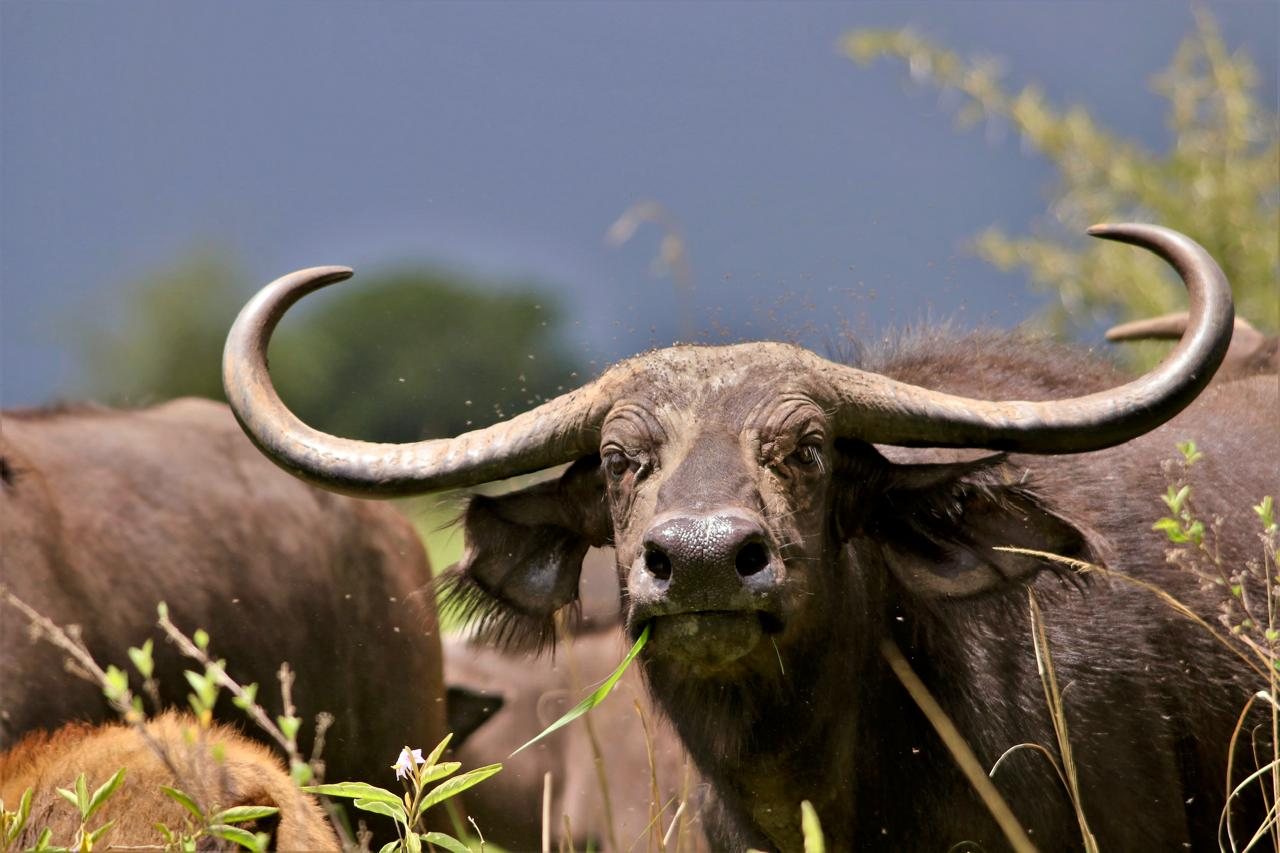
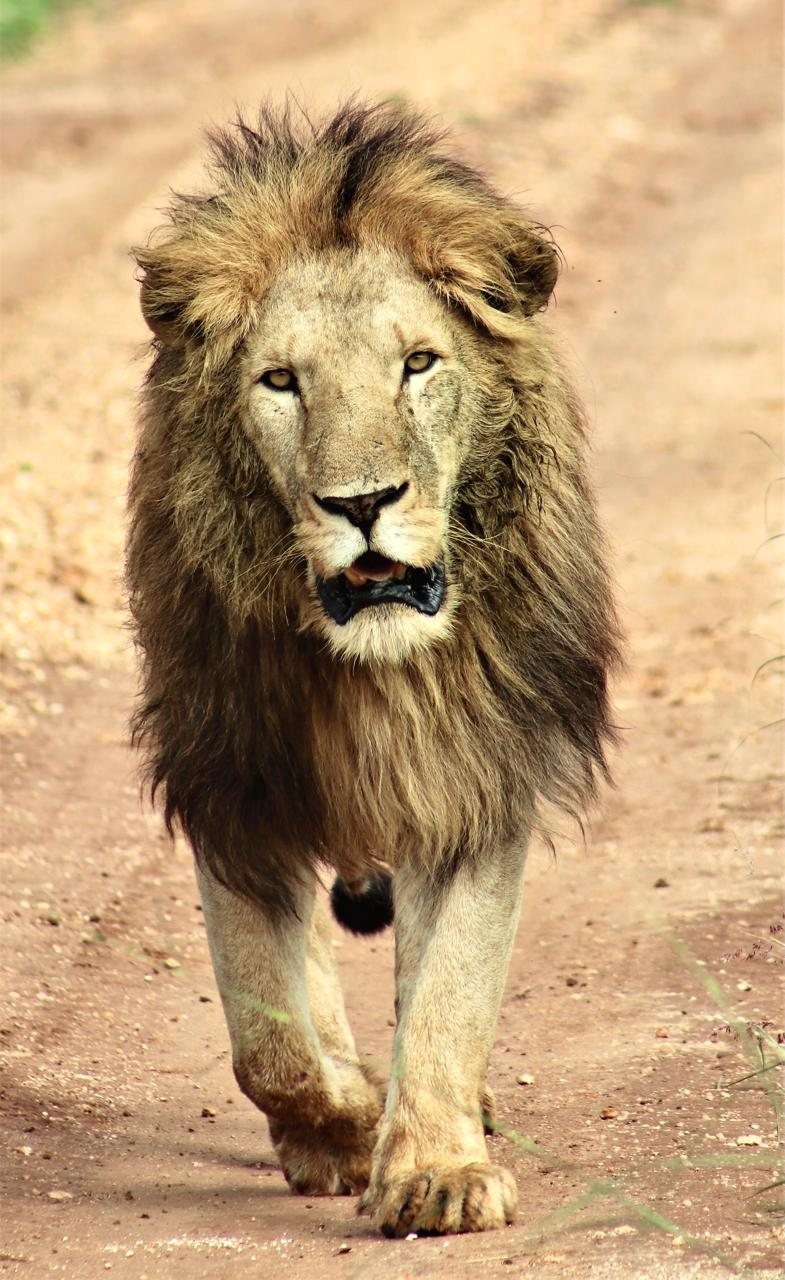
Kidepo Valley is Uganda's buffalo stronghold and holds 400–550 elephant, 163 Nubian giraffe, lion, cheetah and species found nowhere else in the country. Zulia is their dry-season range and their corridor north. Secure it, water it, and they return.

A conservancy built on partnership, not ownership
We are the licence holder, not the lodge company. Zulia will be run as a platform: the National Forestry Authority and Uganda Wildlife Authority as our regulators and co-managers, the Dodoth and Ik communities as neighbours and partners, and operators, investors and conservation funds bringing what each does best.
Lodge sites, a hunting block, a community grazing compact, aerial monitoring and a conservation trust — each one is open to the right partner.