
Six things, done in order
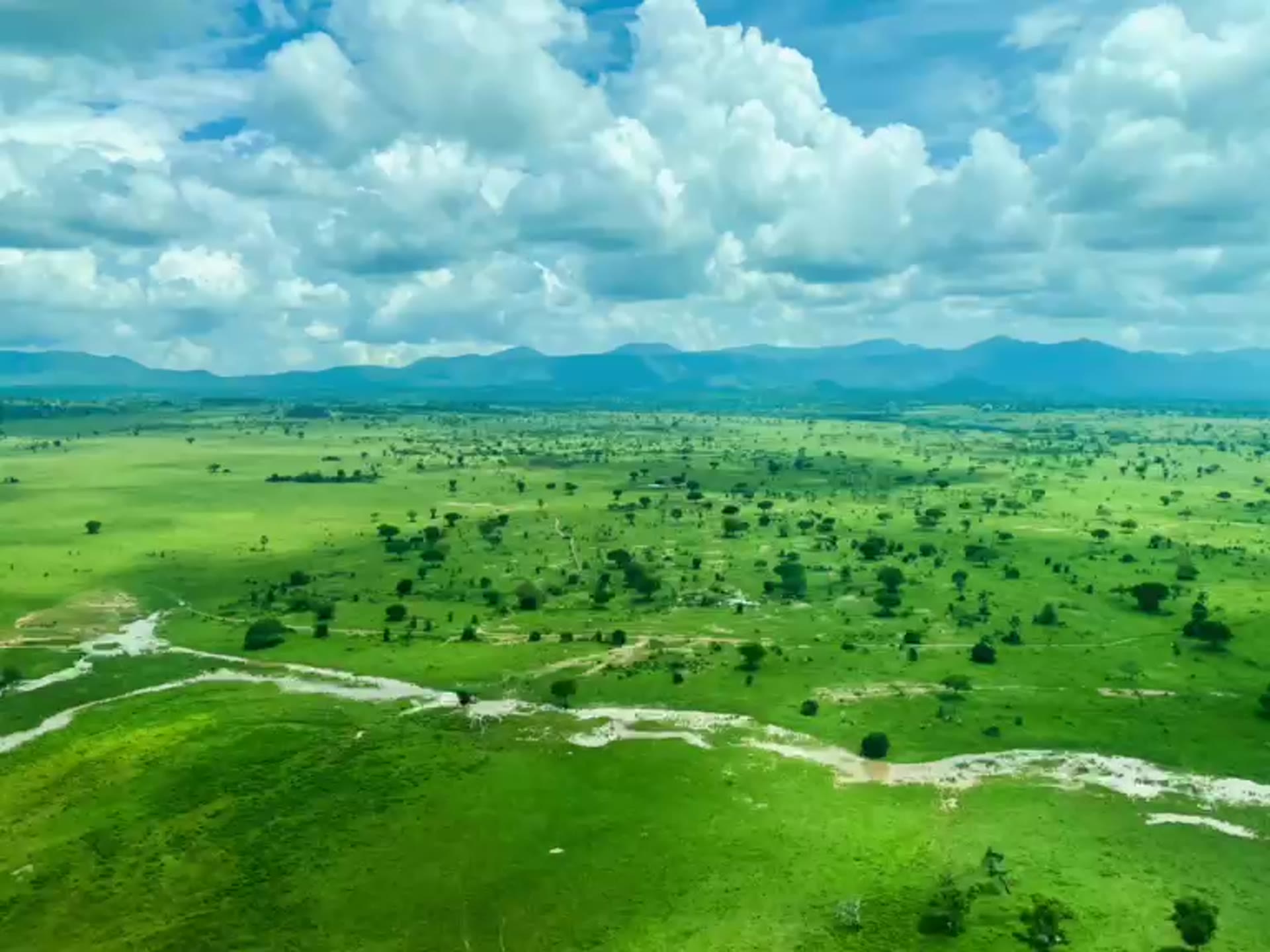
Zulia has no infrastructure, no staff and no recent data. The first years are about putting those three things in place, in a sequence that earns the trust of the regulators and the communities before anything is built for visitors.
- 1
Protection
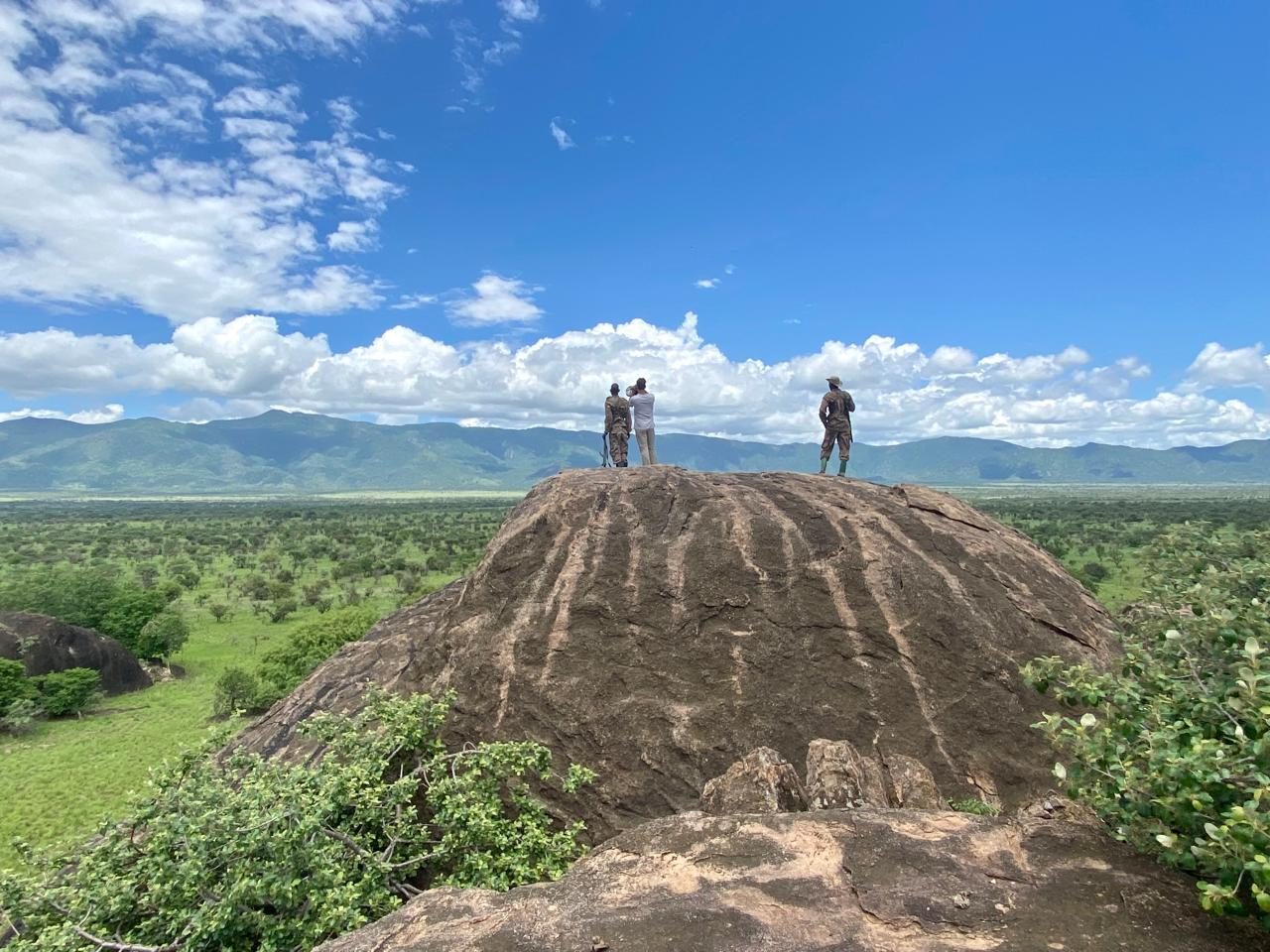
A ranger and community-scout force based inside the reserve for the first time, radio-linked to the Kidepo joint operations centre, with aerial patrol over the border hills where no vehicle can go.
- 2
Water and fire
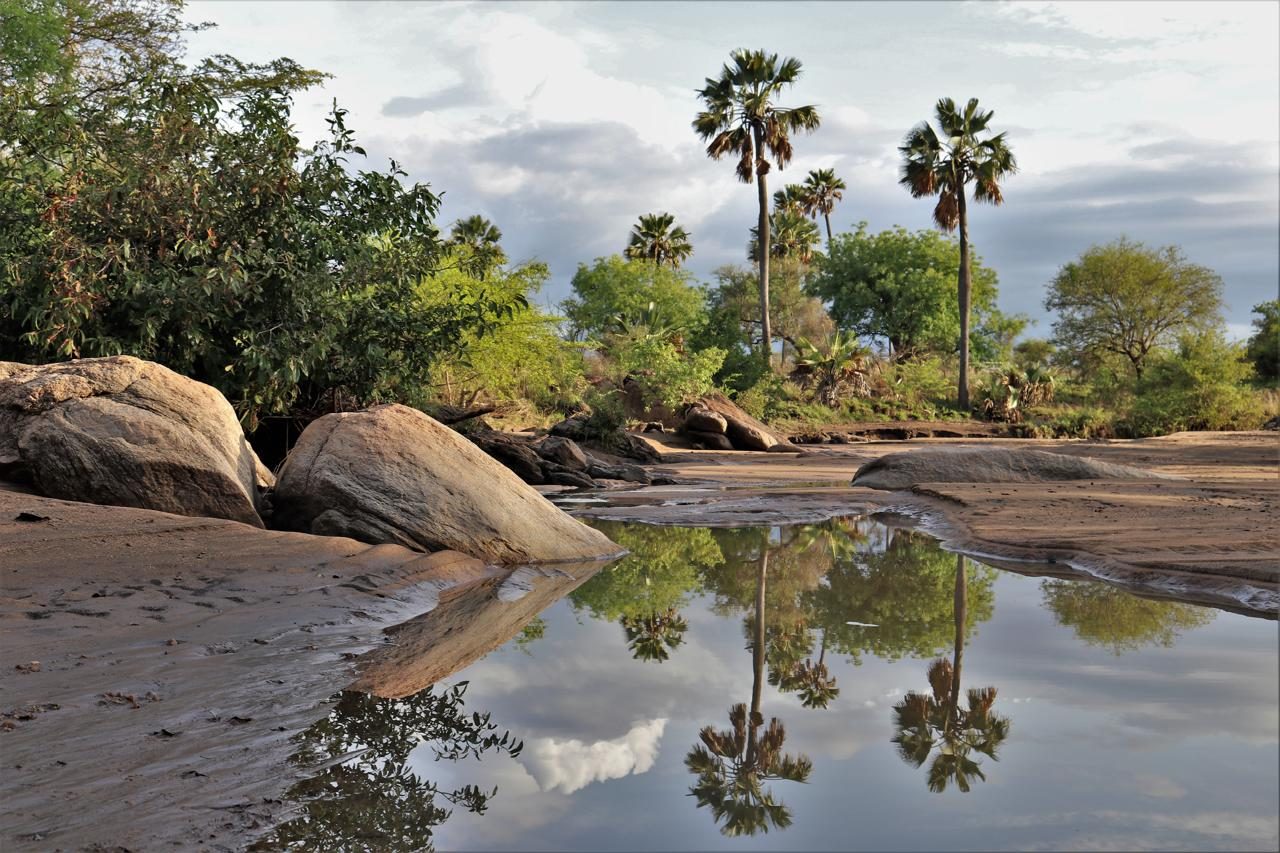
Boreholes and small dams so that wildlife has permanent water inside Zulia through the dry season, and an early-burn programme that turns the annual fires from a threat into a tool.
- 3
Knowing the place
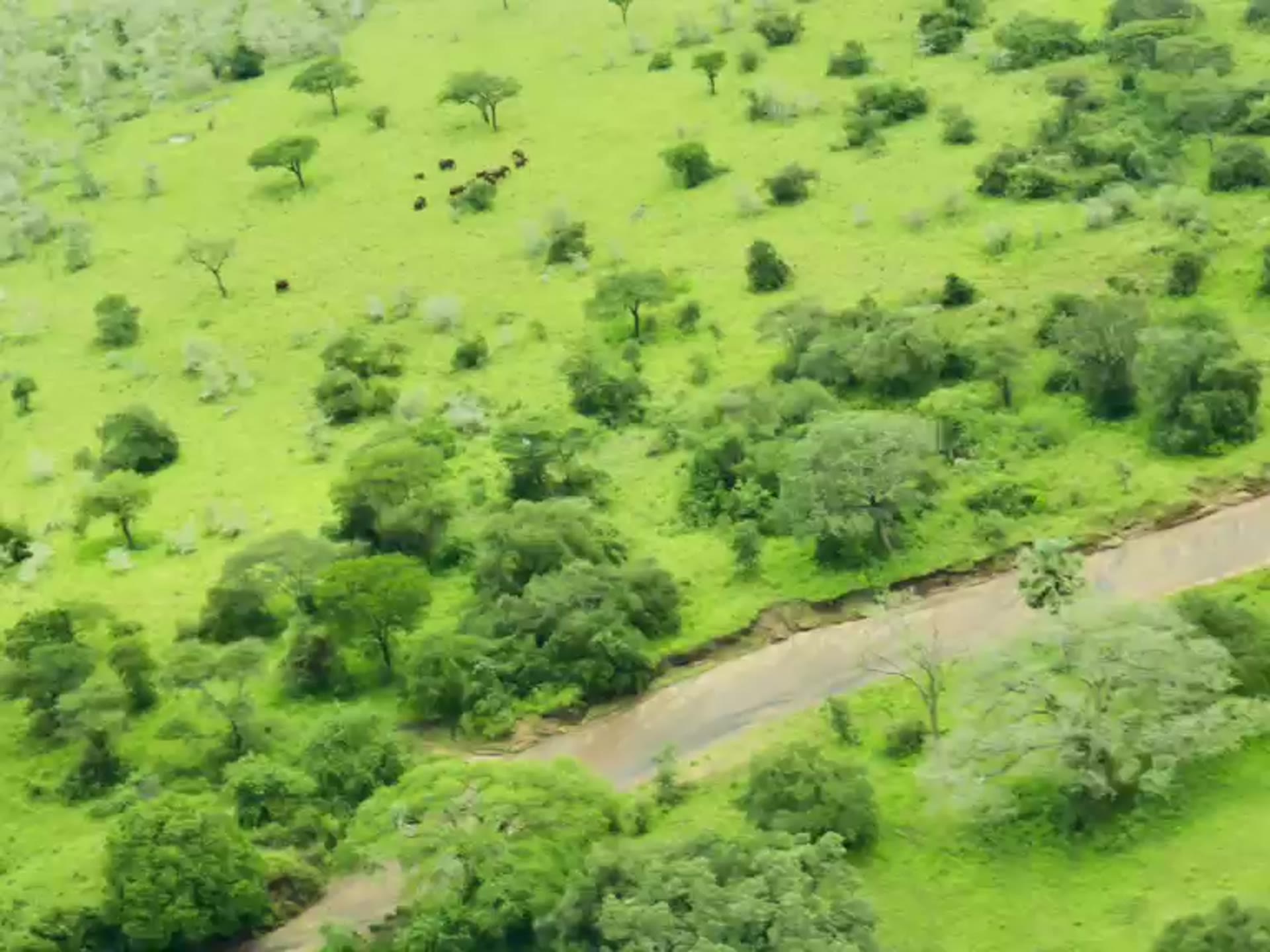
A baseline aerial census, vegetation mapping and a ten-year forest management plan, so that every decision about hunting quotas, lodge sites and grazing rests on counted animals and surveyed ground.
- 4
Neighbours first
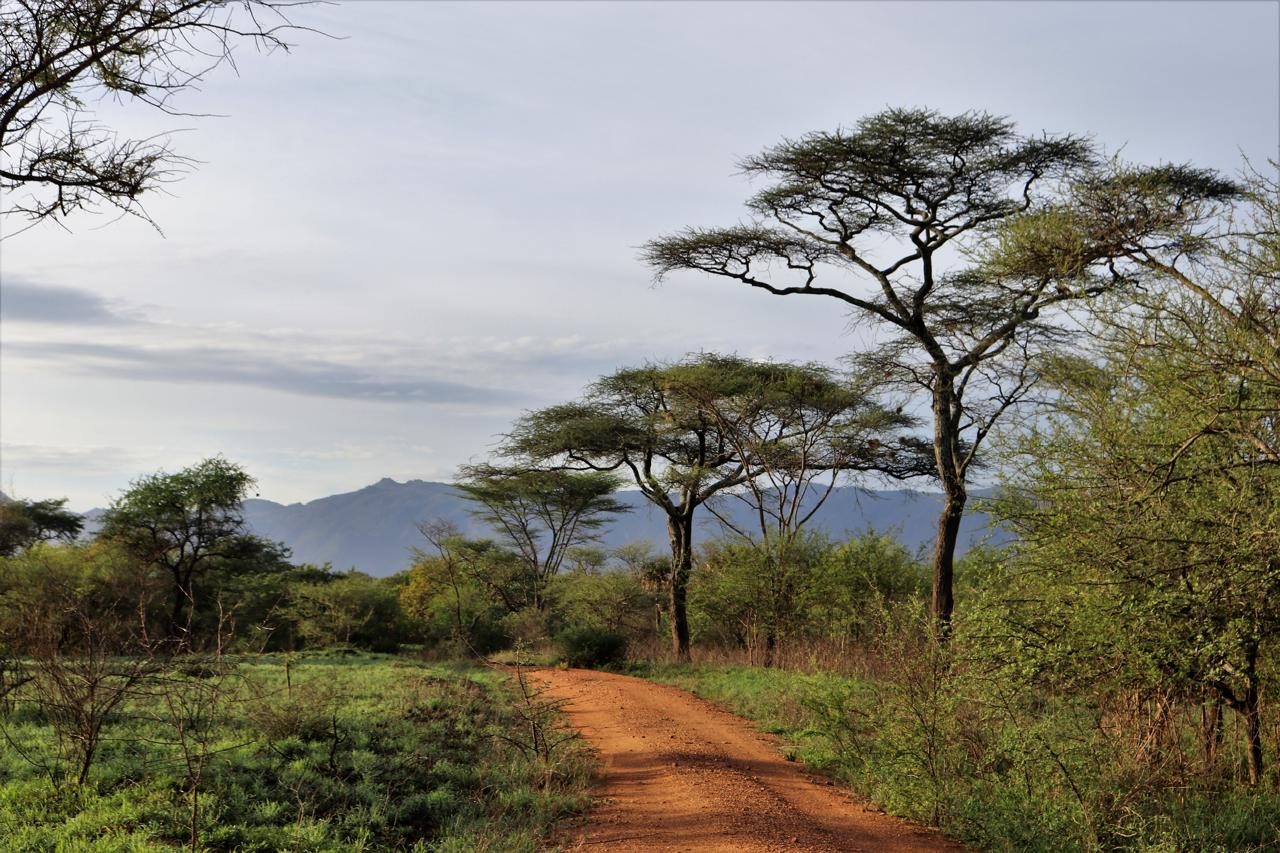
Managed dry-season grazing for Dodoth kraals on agreed blocks, a livestock-to-market scheme, scout jobs, local procurement and a share of every visitor's conservation fee. Zulia only survives if the people around it want it to.
- 5
Access
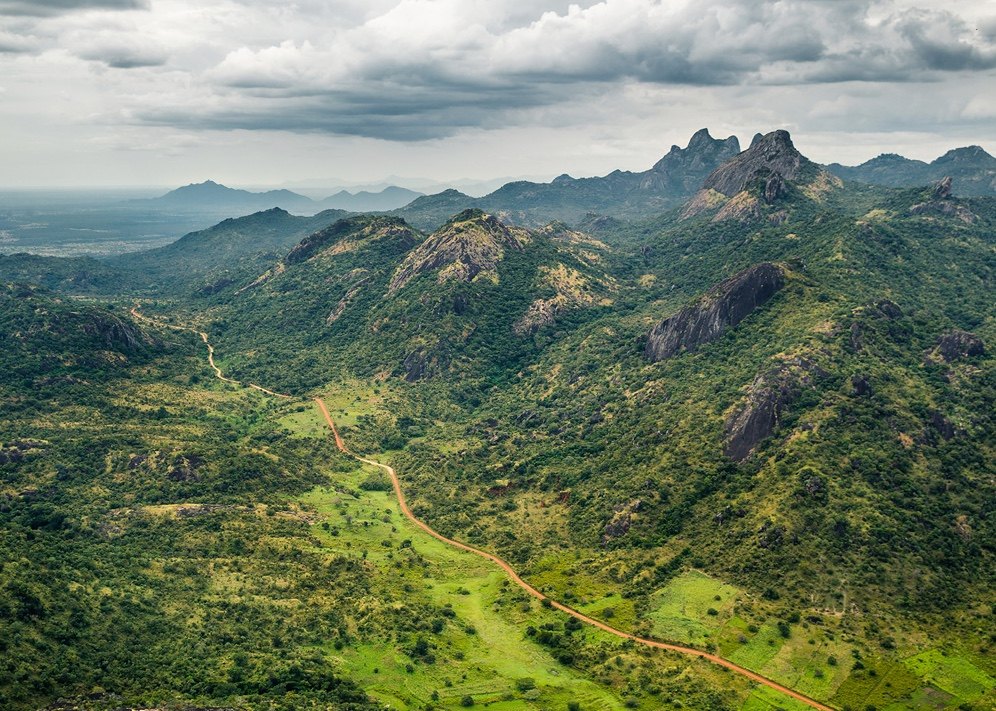
Management tracks from the Kidepo side and a licensed airstrip, so that a reserve that NFA's own staff could not enter in 2019 is under two hours' flying from Entebbe, and twenty kilometres from the international airport now being built at Kidepo.
- 6
Partners, not projects
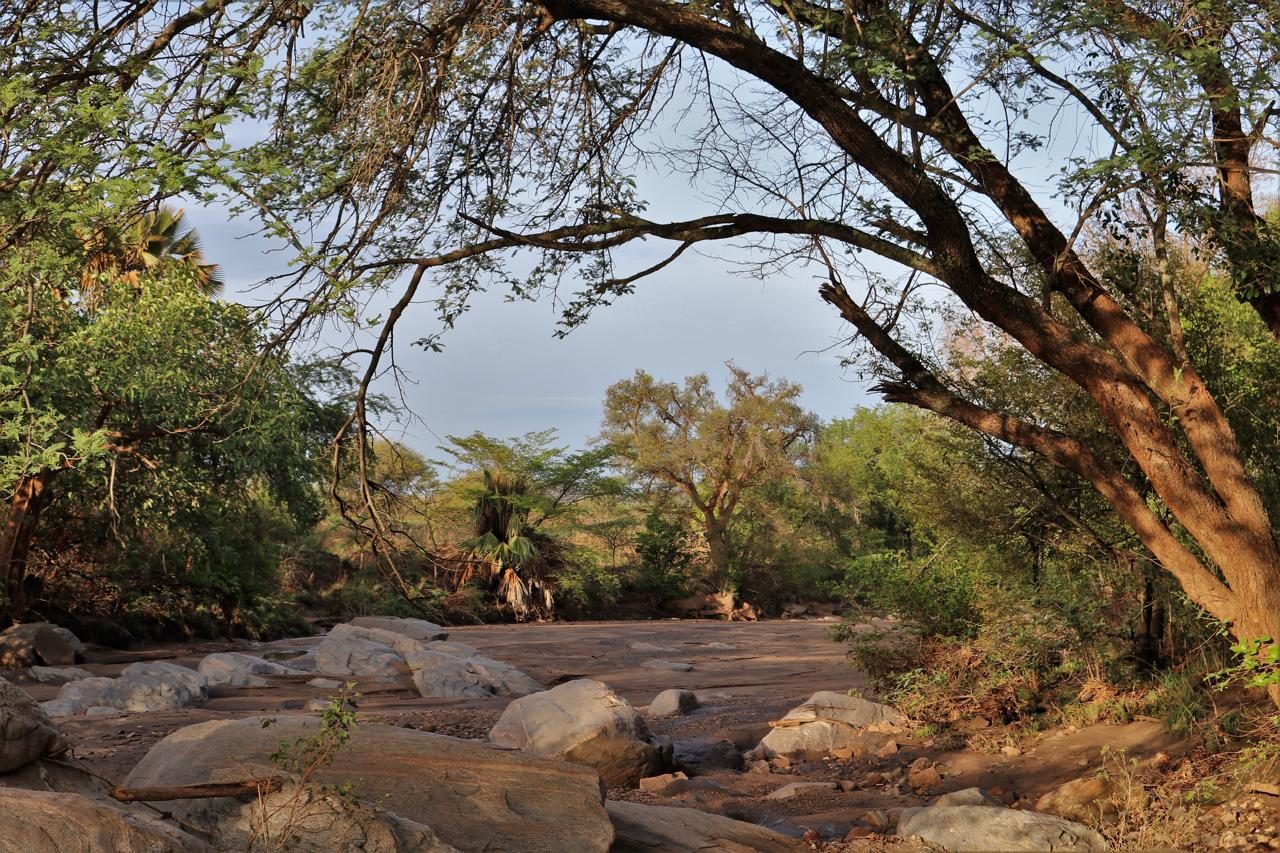
Lodge sites, a hunting block and research access offered to operators under long leases with conservation fees attached, and a Zulia Conservation Trust to receive grant funding for the protection work the commercial side cannot carry alone.