
Adventure, from the ground up
Zulia has no roads, which is a problem for a game-drive lodge and a gift for everyone else. We are looking for operators who move people on foot, on horseback and on two wheels, working from a shared base camp on the Kidepo River.
One camp, many ways up
The concept is a single low-impact base camp on the river, shared by operators, with routes radiating from it: a summit trail, an escarpment traverse, a riding country to the east and bike loops to the west. Shared infrastructure keeps the footprint small and the economics workable for specialist operators who would never build a camp alone.
The routes drawn here are our working concept. Final alignments follow the baseline survey and NFA's approval of the development plan.
24 km · 2 days · on foot
58 km · 4 days · multi-day on foot
31 km · ½ day · mountain bike
18 km · ½ day · horseback
What we are looking for
Walking safaris
Multi-day walks between fly camps along the Kidepo River and up through the Combretum woodland, armed-guide led, in a reserve with no vehicles and no other guests.
Hiking and trekking
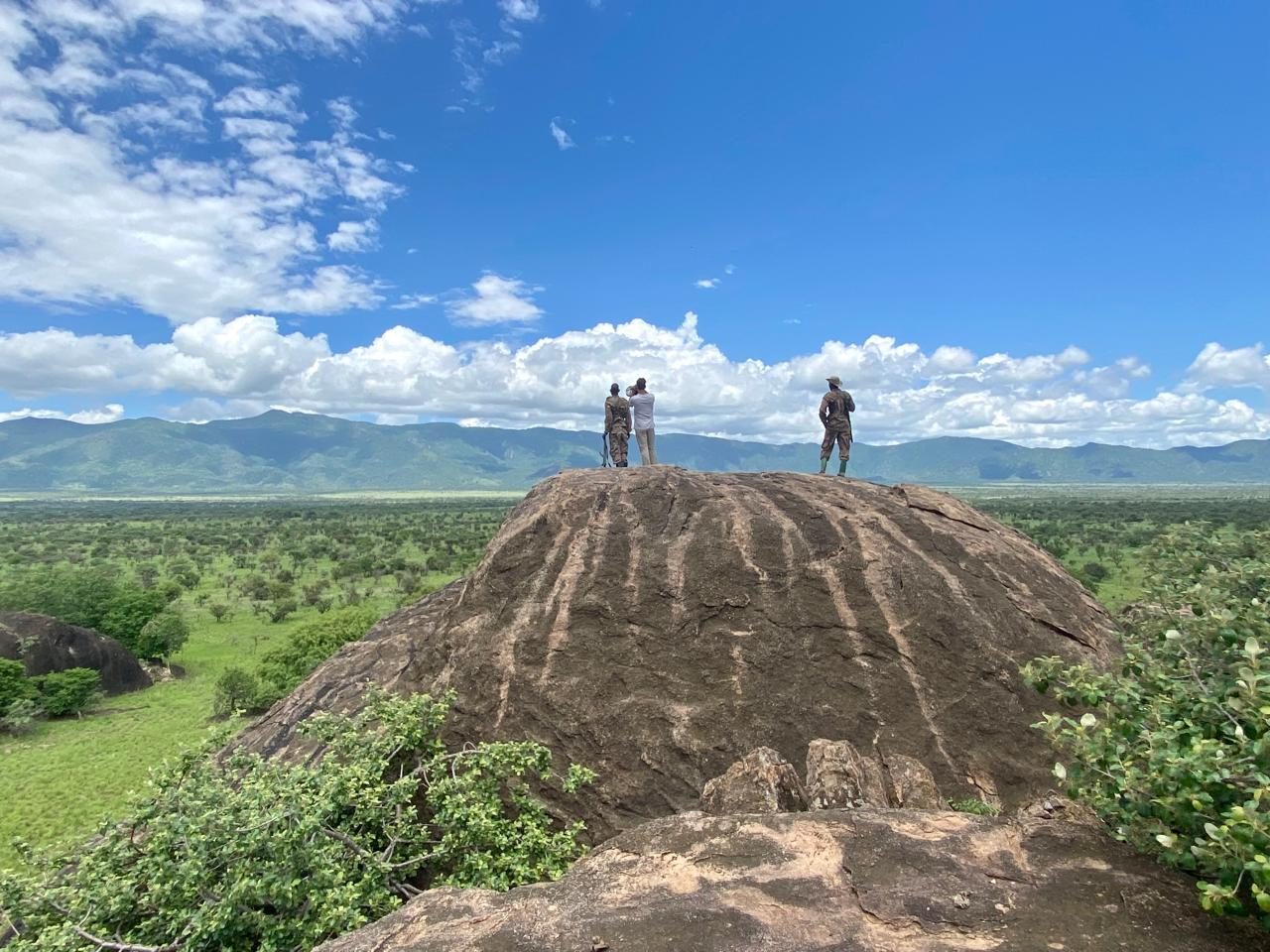
A base camp on the river frontage at about 1,050 m, a two-day summit trail to Mount Zulia at 2,149 m, and a four-day traverse along the Turkana escarpment with views into Kenya and South Sudan.
Horseback safaris
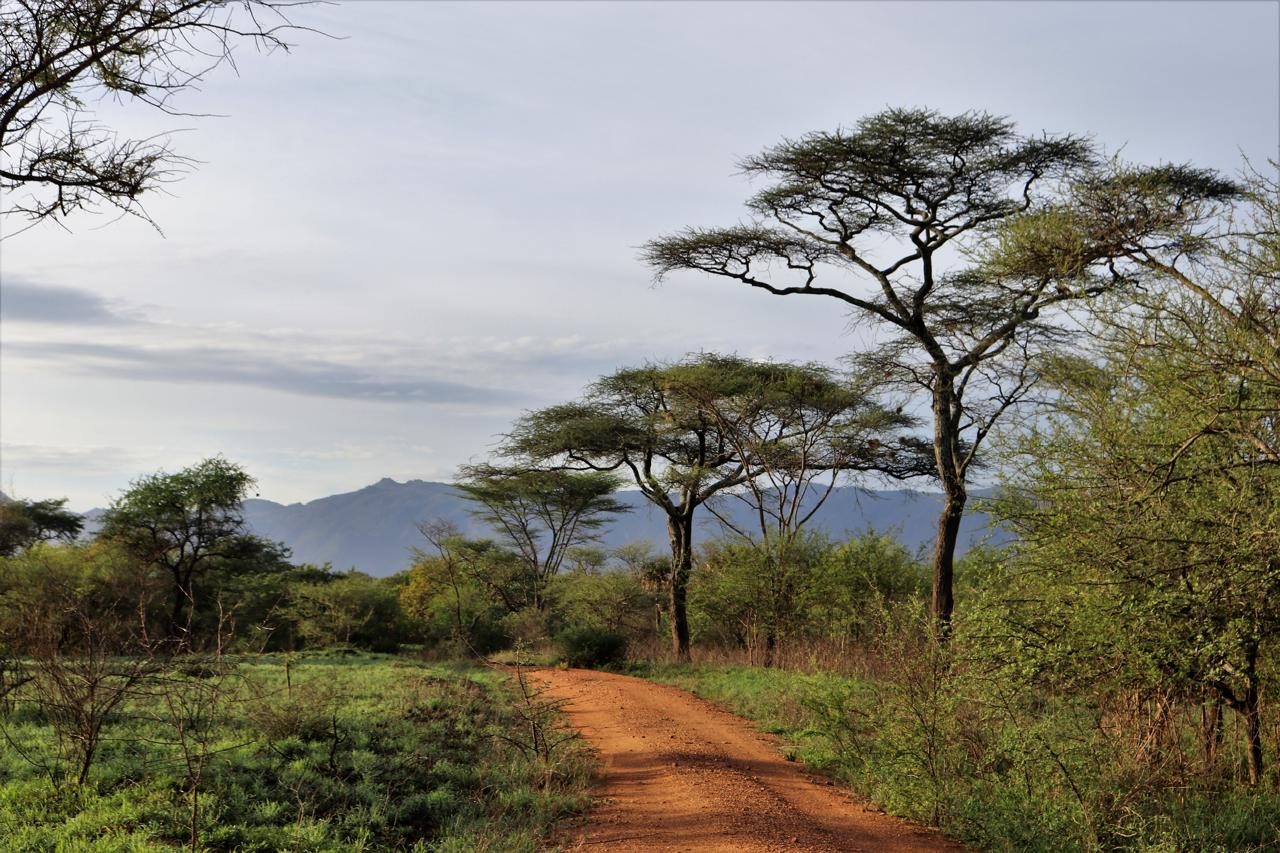
Open valley floor, sandy river courses and borassus palm groves make the southern third of the reserve natural riding country, with game on the flats and the hills as a backdrop.
Mountain biking
Inselberg and river loops from the base camp on management tracks and single-track, graded by survey; the only legal mountain-bike terrain in a Ugandan protected area of this size.
Specialist and expedition travel
Rock-climbing on the granite domes, birding in a transition zone between East African and Sudano-Sahelian avifauna, and expeditions into a landscape that has never been written up.
How a partnership would work
Operators take a licence to run a defined activity from the base camp under an agreement with Zulia Conservancy, with a per-guest conservation fee that funds rangers and community programmes, and with guiding, portering and camp roles recruited locally and trained. Camp capital can be shared, contributed or leased, depending on what each operator brings.
Everything is subject to the National Forestry Authority's approval of the development plan and, where routes enter the dual-management zone, the agreement of the Uganda Wildlife Authority. We would rather design the trails with you than hand you a map.